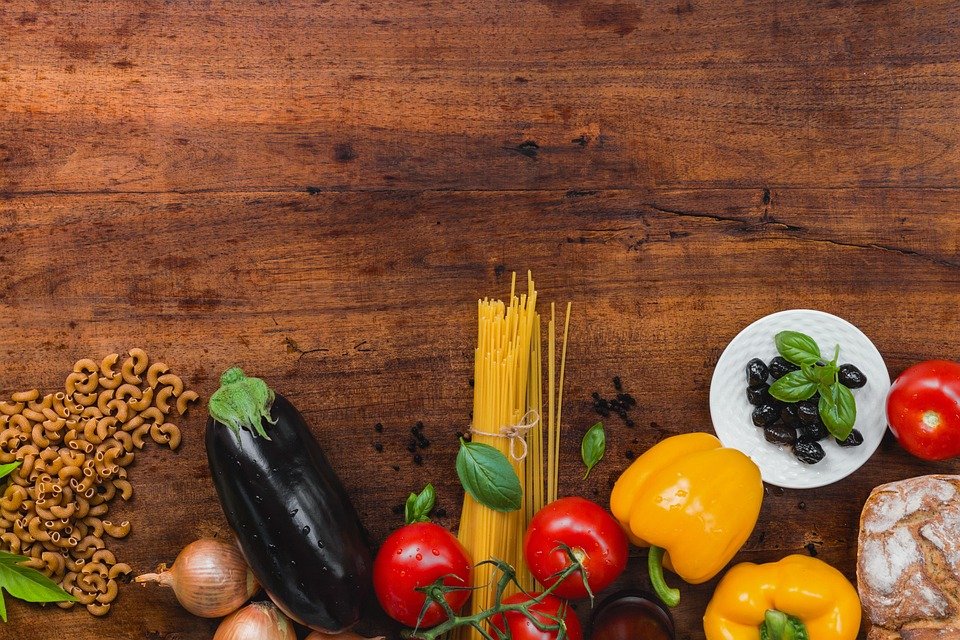
Eating well is crucial for maintaining health and enhancing quality of life, especially for urban dwellers who often face the challenges of busy schedules and limited access to fresh ingredients. This 7-day meal plan is designed with simplicity in mind, catering to diverse age groups, including youth and seniors. By following this plan, you can embrace healthy eating without feeling overwhelmed.
Introduction
Healthy eating does not have to be complicated or time-consuming. With a structured meal plan, you can easily incorporate nutritious foods into your daily routine. This article provides a comprehensive 7-day meal plan filled with balanced meals that are not only easy to prepare but also delicious. Each day includes breakfast, lunch, dinner, and snacks, ensuring you receive the necessary nutrients for optimal health.
The Importance of a Balanced Diet
A balanced diet is essential for:
- Nutritional Sufficiency: Meeting your daily requirements for vitamins and minerals.
- Weight Management: Aiding in maintaining a healthy weight.
- Reduced Risk of Chronic Diseases: Lowering the risk of conditions like diabetes, heart disease, and hypertension.
- Improved Mental Health: Supporting cognitive function and emotional well-being.
7-Day Meal Plan Overview
Day 1: Fresh Starts
Breakfast: Overnight oats with chia seeds, almond milk, and fresh berries.
Lunch: Quinoa salad with cherry tomatoes, cucumber, and feta cheese.
Dinner: Grilled salmon with steamed broccoli and sweet potato.
Snacks: A handful of mixed nuts and a piece of fruit.
Day 2: Plant-Powered
Breakfast: Smoothie with spinach, banana, and protein powder.
Lunch: Lentil soup with a slice of whole-grain bread.
Dinner: Stir-fried tofu with mixed vegetables over brown rice.
Snacks: Carrot sticks with hummus.
Day 3: Wholesome Grains
Breakfast: Whole-grain toast with avocado and poached eggs.
Lunch: Brown rice and black bean bowl with salsa and avocado.
Dinner: Baked chicken breast with quinoa and roasted Brussels sprouts.
Snacks: Greek yogurt with honey and walnuts.
Day 4: Seafood Delight
Breakfast: Greek yogurt parfait with granola and mixed berries.
Lunch: Spinach salad with grilled shrimp, avocado, and citrus dressing.
Dinner: Cod fillet baked with lemon, served with asparagus and quinoa.
Snacks: Apple slices with almond butter.
Day 5: Comfort Classics
Breakfast: Oatmeal topped with banana and a sprinkle of cinnamon.
Lunch: Whole grain wrap with turkey, spinach, and mustard.
Dinner: Vegetable stir-fry with tofu and brown rice.
Snacks: A handful of trail mix.
Day 6: Mediterranean Flavors
Breakfast: Frittata with spinach, tomatoes, and feta cheese.
Lunch: Chickpea salad with cucumbers, bell peppers, and parsley.
Dinner: Grilled lamb chops with roasted vegetables.
Snacks: Sliced cucumber with tzatziki.
Day 7: Sweet Endings
Breakfast: Pancakes made with whole wheat flour and topped with fresh fruit.
Lunch: Quinoa bowl with roasted vegetables and tahini dressing.
Dinner: Baked tilapia with a side of sautéed kale and brown rice.
Snacks: Dark chocolate square and strawberries.
Nutritional Insights
Incorporating a variety of foods throughout the week is key to ensuring you receive a range of nutrients:
- Proteins: Essential for muscle repair and immune function. Sources include fish, chicken, legumes, and dairy.
- Carbohydrates: Provide energy; opt for whole grains, fruits, and vegetables.
- Fats: Necessary for hormone production and nutrient absorption; choose healthy fats from avocados, nuts, and olive oil.
Tips for Effortless Healthy Eating
- Meal Prep: Prepare meals in advance to save time during busy weekdays.
- Stay Hydrated: Drink plenty of water throughout the day.
- Portion Control: Be mindful of portion sizes to avoid overeating.
- Mindful Eating: Take time to enjoy your meals, which can improve digestion and satisfaction.
Conclusion
Healthy eating is attainable for everyone, regardless of age or lifestyle. By following this 7-day meal plan, you can simplify your approach to nutrition and enjoy a variety of flavors. Remember that the goal is not perfection but consistency in making healthier choices.
FAQ Section
Q1: How can I adjust the meal plan for dietary restrictions?
A: Substitute ingredients in the meal plan based on your dietary needs, such as using gluten-free grains or plant-based proteins.
Q2: Can I swap meals between days?
A: Yes, feel free to mix and match meals as long as you maintain a balanced intake.
Q3: How do I store leftovers safely?
A: Store leftovers in airtight containers in the refrigerator and consume them within 3-4 days.
Q4: What if I have a busy schedule?
A: Focus on meal prepping on weekends or choose quicker recipes that require minimal cooking time.
Q5: Is it necessary to count calories?
A: While it can be useful for some, focusing on the quality of the food rather than strict calorie counting is often more beneficial for overall health.
Q6: How can I make healthy eating a habit?
A: Gradually incorporate healthier meals into your routine and stay consistent. Tracking your progress can also be motivating.
By adhering to this 7-day meal plan, you can embark on a journey towards effortless healthy eating that enriches your life and supports your well-being.
