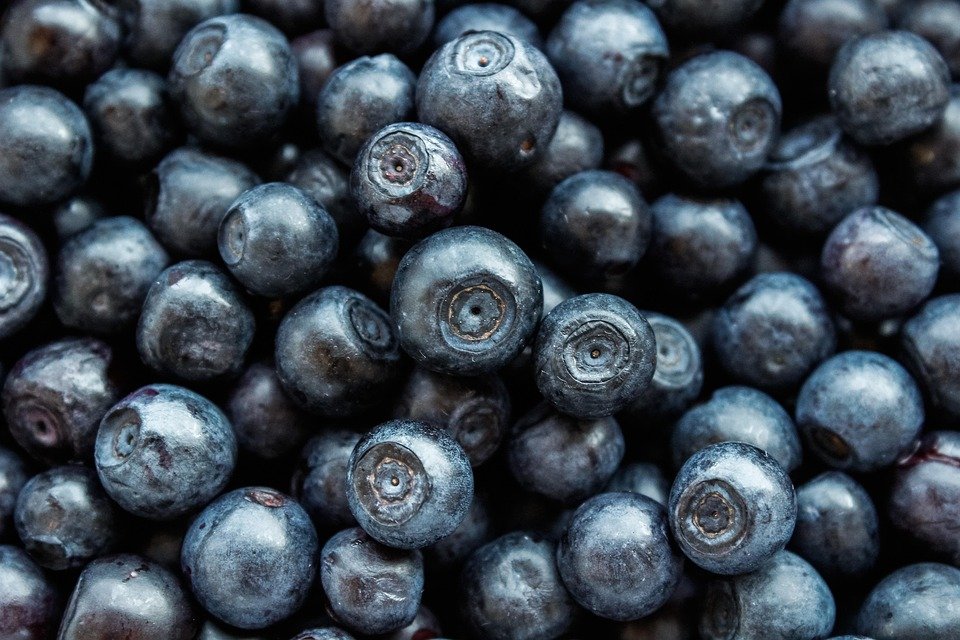
Introduction: The Importance of Nutrition in Fitness and Lifestyle
Nutrition plays a vital role in achieving fitness goals and maintaining a healthy lifestyle. Whether you are a first-time gym-goer, an experienced trainer, or someone seeking to improve their overall well-being, understanding the fundamentals of healthy nutrition can significantly impact your performance, recovery, and overall health. This comprehensive guide will delve into the essential components of a balanced diet, the benefits of proper nutrition, and practical tips to integrate healthy eating into your daily routine.
Understanding Healthy Nutrition
Healthy nutrition is not just about eating fruits and vegetables; it encompasses a balanced intake of macronutrients, micronutrients, and hydration. This section breaks down the key components of a healthy diet.
H2: The Building Blocks of Nutrition
H3: Macronutrients
-
Carbohydrates
- Primary source of energy.
- Found in whole grains, fruits, vegetables, and legumes.
- Aim for complex carbohydrates for sustained energy.
-
Proteins
- Essential for muscle repair and growth.
- Sources include lean meats, fish, eggs, dairy products, legumes, and nuts.
- Aim for a variety of protein sources to ensure a complete amino acid profile.
- Fats
- Important for hormone production and nutrient absorption.
- Include healthy fats like avocados, nuts, seeds, and olive oil.
- Limit saturated and trans fats to maintain heart health.
H3: Micronutrients
- Vitamins and Minerals
- Essential for various bodily functions, including immune support and bone health.
- Consume a rainbow of fruits and vegetables to ensure a wide range of vitamins and minerals.
H2: Hydration: The Overlooked Necessity
Staying hydrated is crucial for optimal performance and recovery. Water aids in digestion, nutrient absorption, and temperature regulation. Aim to:
- Drink at least 8-10 cups of water daily.
- Increase water intake during exercise or in hot conditions.
- Consider electrolyte-rich drinks for extended workouts.
H2: Meal Timing and Frequency
Understanding when to eat can complement your nutrition strategy. Here are a few guidelines:
-
Pre-Workout Nutrition
- Consume a balanced meal 2-3 hours before exercise, focusing on carbohydrates and protein.
-
Post-Workout Nutrition
- Aim for a meal rich in protein and carbohydrates within 30-60 minutes after your workout to support recovery.
- Meal Frequency
- Some people thrive on three meals a day, while others prefer smaller, more frequent meals. Choose what works best for your lifestyle.
Practical Tips for Healthy Eating
Incorporating healthy nutrition into your daily routine can be simple and rewarding. Below are actionable steps to help you achieve your nutrition goals.
H2: Step-by-Step Checklist for Healthy Eating
-
Plan Your Meals
- Create a weekly meal plan including balanced meals and snacks.
-
Grocery Shopping
- Make a list of healthy foods before heading to the store.
- Stick to the perimeter of the store where fresh produce and whole foods are usually located.
-
Prepare in Advance
- Cook meals in bulk and store them for busy days.
- Keep healthy snacks on hand, such as nuts, fruits, or yogurt.
-
Listen to Your Body
- Pay attention to hunger and fullness cues.
- Avoid emotional eating by finding alternative activities to cope with stress.
- Stay Educated
- Read nutrition labels and understand portion sizes.
- Consider consulting a registered dietitian for personalized advice.
H2: Pros and Cons of Various Diet Approaches
| Diet Approach | Pros | Cons |
|---|---|---|
| Mediterranean | Heart-healthy, rich in fruits and veggies | Can be expensive, may require meal prep |
| Ketogenic | May promote weight loss, reduces carb intake | Difficult to maintain long-term, nutrient deficiencies possible |
| Paleo | Focuses on whole foods, eliminates processed items | Restrictive, may lead to nutrient gaps |
| Plant-Based | Linked to lower disease risk, environmentally friendly | Requires careful planning for protein intake |
Conclusion: Your Journey Toward Healthy Nutrition
Adopting a balanced diet is a journey that requires time, patience, and commitment. Remember, there are no one-size-fits-all solutions. Focus on gradual changes and choose foods that nourish your body and fit your lifestyle. Consult with a healthcare professional or a registered dietitian for personalized advice and guidance tailored to your specific needs.
FAQ Section
What is healthy nutrition?
Healthy nutrition refers to a balanced diet that includes a variety of foods in the right proportions, providing essential nutrients required for optimal health and well-being.
How can I improve my eating habits?
Start by planning your meals, incorporating more whole foods, staying hydrated, and listening to your body’s hunger and fullness cues.
Is it necessary to count calories?
While calorie awareness can be helpful, it is not necessary for everyone. Focus on the quality of food rather than just the quantity.
How much protein do I need daily?
Most adults require about 0.8 grams of protein per kilogram of body weight. Athletes may need more, so consider consulting a dietitian for personalized recommendations.
Can I indulge in treats while maintaining a healthy diet?
Yes! Moderation is key. Allow yourself occasional treats while ensuring that the majority of your diet consists of nutrient-dense foods.
Should I consult a professional for dietary advice?
If you have specific health concerns or dietary needs, it is advisable to consult a registered dietitian or healthcare provider for tailored guidance.
By following these principles of healthy nutrition, you can enhance your fitness journey and overall well-being. Remember, the key is consistency and finding what works best for your body and lifestyle. Happy eating!
