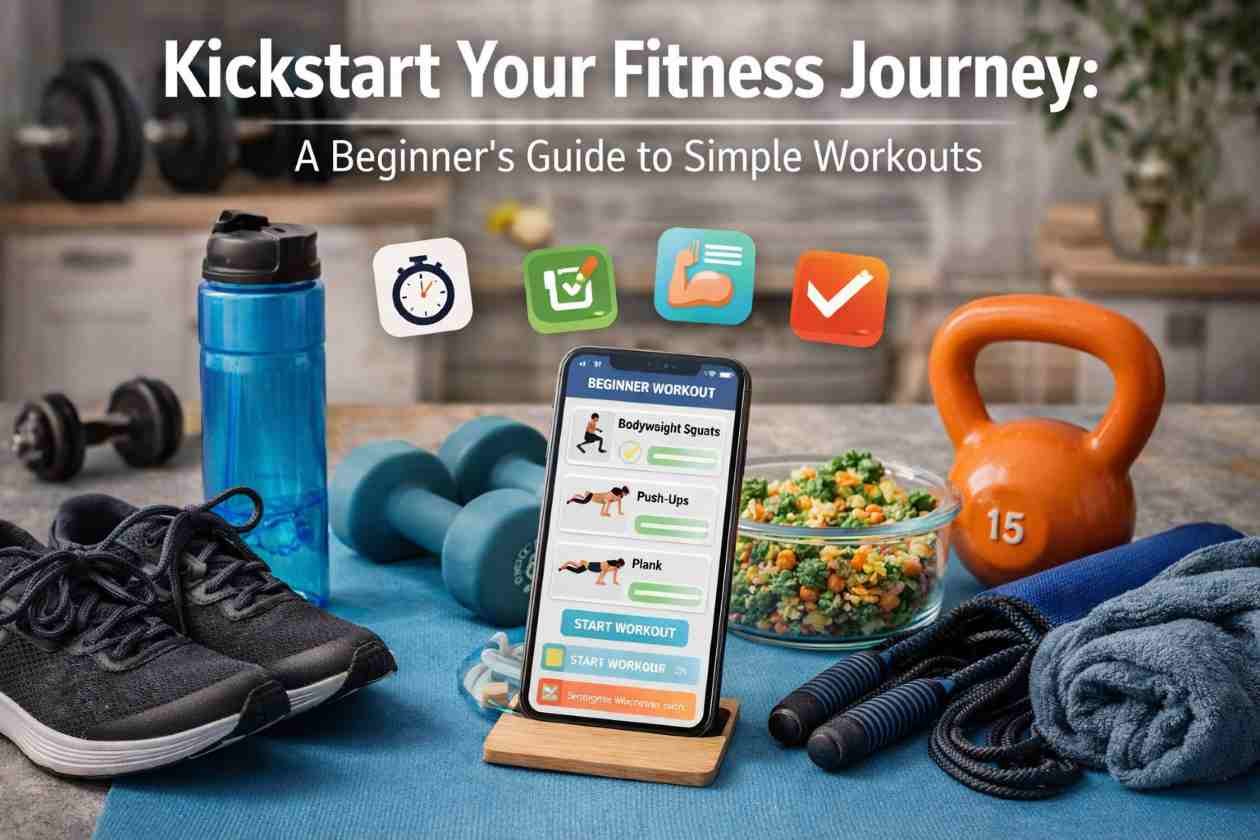
In today’s fast-paced world, establishing a fitness routine can often feel overwhelming, especially for beginners. However, embarking on a fitness journey is not just about losing weight or building muscle; it’s about enhancing your overall health and well-being. This article provides a simple fitness plan tailored for individuals of all ages, including youth and seniors, to promote a balanced lifestyle.
Why Fitness Matters
Regular physical activity is crucial for maintaining good health and preventing chronic diseases. It enhances cardiovascular health, improves mental well-being, boosts energy levels, and supports a healthy weight. The Centers for Disease Control and Prevention (CDC) recommends that adults engage in at least 150 minutes of moderate-intensity aerobic activity each week, along with muscle-strengthening activities on two or more days.
A Simple Fitness Plan for Beginners
Setting Realistic Goals
Before diving into any fitness plan, it’s essential to set realistic and attainable goals. Here are some examples:
-
- Short-term goals: Walk 10 minutes a day, three times a week.
-
- Long-term goals: Complete a 5K run within six months.
Basic Components of the Fitness Plan
-
- Cardiovascular Training
-
- Aim for at least 150 minutes of moderate aerobic exercise each week.
-
- Activities to consider:
-
- Walking
-
- Jogging
-
- Cycling
-
- Swimming
-
- Activities to consider:
-
- Sample Weekly Schedule:
-
- Monday: 30-minute brisk walk
-
- Wednesday: 30-minute cycling
-
- Friday: 30-minute swim
-
- Sample Weekly Schedule:
-
- Cardiovascular Training
-
- Strength Training
-
- Perform strength training exercises at least twice a week.
-
- Focus on major muscle groups: legs, chest, back, and core.
-
- Beginner-friendly exercises:
-
- Bodyweight squats
-
- Push-ups (can be modified to knee push-ups)
-
- Dumbbell rows
-
- Plank holds
-
- Beginner-friendly exercises:
-
- Sample Strength Training Routine (2x per week):
-
- 2 sets of 10-15 repetitions for each exercise
-
- Sample Strength Training Routine (2x per week):
-
- Strength Training
-
- Flexibility and Balance
-
- Incorporate flexibility and balance exercises to enhance mobility and prevent injuries.
-
- Recommended activities:
-
- Yoga
-
- Stretching routines
-
- Tai Chi
-
- Recommended activities:
-
- Sample Routine (2-3 times per week):
-
- Hold each stretch for 15-30 seconds, focusing on major muscle groups.
-
- Sample Routine (2-3 times per week):
-
- Flexibility and Balance
Creating Your Weekly Fitness Schedule
Here’s an example of a balanced weekly fitness schedule:
| Day | Activity | Duration |
|---|---|---|
| Monday | Brisk Walk | 30 minutes |
| Tuesday | Strength Training | 30 minutes |
| Wednesday | Cycling | 30 minutes |
| Thursday | Rest or Light Yoga | 20 minutes |
| Friday | Swimming | 30 minutes |
| Saturday | Strength Training | 30 minutes |
| Sunday | Flexibility & Balance (Yoga) | 30 minutes |
Staying Motivated
-
- Track Your Progress: Keeping a journal or using fitness apps can help you monitor your workouts and progress.
-
- Find a Workout Buddy: Exercising with a friend can increase accountability and motivation.
-
- Celebrate Milestones: Acknowledge your achievements, no matter how small, to maintain enthusiasm.
Safety Tips for Beginners
-
- Consult a Physician: Always consult with a healthcare provider before starting any new exercise program, especially if you have pre-existing health conditions.
-
- Listen to Your Body: Pay attention to how your body feels during and after workouts. If you experience pain, stop the activity and seek advice.
-
- Stay Hydrated: Drink water before, during, and after exercise to maintain hydration.
Conclusion
Starting a fitness journey doesn’t have to be complicated or intimidating. By following this simple fitness plan, beginners of all ages can build a solid foundation for a healthier lifestyle. Remember, consistency is key, and small, gradual changes can lead to significant results over time. Embrace the journey, and enjoy the lifelong benefits of an active lifestyle.
Frequently Asked Questions (FAQs)
1. How often should beginners exercise?
-
- Beginners should aim for at least 150 minutes of moderate exercise per week, spread across several days.
2. What types of exercises are best for beginners?
-
- Low-impact activities such as walking, cycling, and swimming are great starting points, along with bodyweight strength exercises.
3. Is it necessary to join a gym to get fit?
-
- No, many effective exercises can be done at home or outdoors without equipment.
4. How long should each workout session last?
-
- Beginners can start with 20-30 minute sessions and gradually increase duration as their fitness improves.
5. Can I lose weight without intense workouts?
-
- Yes, combining moderate exercise with a balanced diet can lead to weight loss and improved health.
6. What should I do if I feel pain during exercise?
-
- Stop the activity immediately and consult a health professional if the pain persists.
By adhering to this simple fitness plan, beginners can build a healthy routine that promotes fitness and well-being. Remember, the journey is just as important as the destination.
