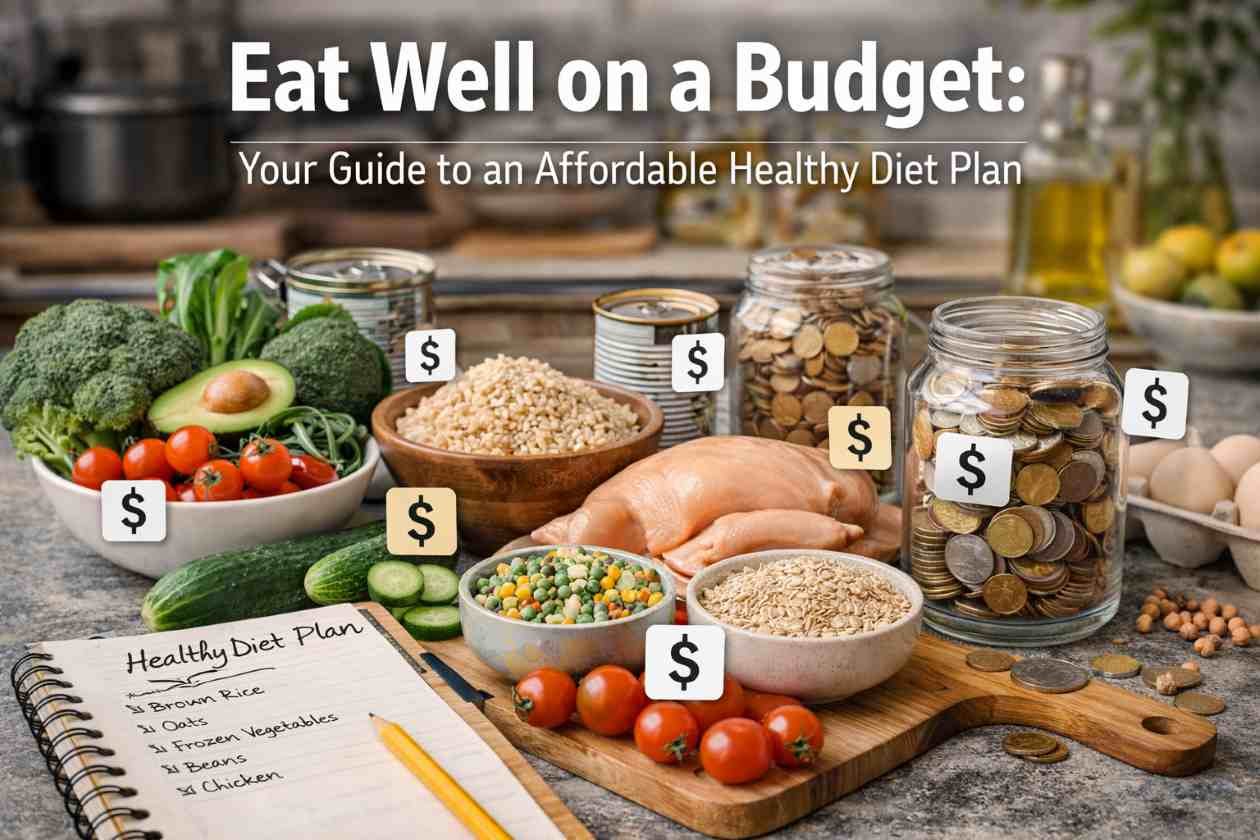
In today’s fast-paced world, maintaining a healthy diet can often seem like a daunting task, especially when financial constraints come into play. However, eating well doesn’t have to break the bank. With a little knowledge and planning, anyone can adopt an affordable healthy diet plan that supports their nutritional needs without sacrificing flavor or variety. This article will guide you through the essentials of a budget-friendly healthy diet, while addressing common concerns and providing practical tips for all age groups.
Understanding the Basics of a Healthy Diet
Before diving into affordable meal options, it’s crucial to understand what constitutes a healthy diet. A balanced diet includes:
- Fruits and Vegetables: Aim for a variety of colors and types, focusing on seasonal produce for cost-efficiency.
- Whole Grains: Brown rice, quinoa, and whole grain bread and pasta are excellent sources of fiber and nutrients.
- Proteins: Lean meats, fish, eggs, legumes, nuts, and seeds are essential for muscle repair and overall body function.
- Dairy or Dairy Alternatives: These provide calcium and vitamin D, vital for bone health.
- Healthy Fats: Avocado, olive oil, and fatty fish contribute to heart health and overall well-being.
The Importance of Meal Planning
Meal planning is a cornerstone of an affordable healthy diet. By outlining your meals for the week, you can avoid impulse purchases and reduce food waste. Here’s how to create an effective meal plan:
- Assess Your Needs: Consider your dietary preferences, nutritional requirements, and budget constraints.
- Create a Shopping List: Based on your meal plan, compile a list to help you stay focused while shopping.
- Shop Smart: Buy in bulk where possible, choose generic brands, and take advantage of sales and discounts.
- Batch Cooking: Prepare large quantities of meals that can be portioned out for the week. This not only saves money but also time.
Affordable Healthy Foods
Now that you understand the basics of a healthy diet and the benefits of meal planning, let’s look at some affordable food options that can easily fit into your daily meals.
Fruits and Vegetables
- Frozen Produce: Often cheaper than fresh and just as nutritious, frozen fruits and vegetables are versatile and convenient.
- Canned Options: Low-sodium canned beans, tomatoes, and vegetables can be budget-friendly alternatives.
- Seasonal and Local: Purchasing in-season produce can significantly lower costs. Visit local farmers’ markets for fresh, affordable options.
- Root Vegetables: Potatoes, carrots, and squash are typically inexpensive and versatile.
Whole Grains
- Rice and Pasta: These staples are affordable and can be bulk-purchased. Look for whole grain options for added nutrients.
- Oats: A nutritious breakfast option that is inexpensive and can be prepared in various ways.
- Quinoa and Barley: While slightly pricier than rice, these grains are rich in protein and fiber and can often be found on sale.
Protein Sources
- Legumes: Beans, lentils, and chickpeas are not only affordable but also high in protein and fiber. They can be used in soups, salads, and main dishes.
- Eggs: A cost-effective source of protein that can be prepared in numerous ways.
- Canned Tuna and Salmon: These options provide omega-3 fatty acids and are often more affordable than fresh fish.
- Poultry and Lean Cuts: Chicken thighs and ground turkey tend to be less expensive than beef and can be used in various recipes.
Dairy and Alternatives
- Greek Yogurt: Packed with protein and can be used in smoothies, parfaits, or as a snack.
- Plant-Based Milks: Almond, soy, or oat milk can often be found at lower prices than dairy milk and are suitable for those with lactose intolerance.
Healthy Fats
- Nuts and Seeds: Buy in bulk to save money. They are great for snacking or adding to meals for extra nutrition.
- Olive Oil: A heart-healthy fat that is versatile for cooking and dressing salads.
Sample Affordable Healthy Meal Plan
Here’s a simple one-week meal plan that illustrates how to incorporate these affordable food options.
Day 1
- Breakfast: Oatmeal topped with banana and a sprinkle of cinnamon.
- Lunch: Lentil soup with mixed vegetables.
- Dinner: Grilled chicken thighs with brown rice and steamed broccoli.
Day 2
- Breakfast: Greek yogurt with frozen berries and a handful of nuts.
- Lunch: Quinoa salad with black beans, corn, and diced peppers.
- Dinner: Baked salmon with sweet potato and green beans.
Day 3
- Breakfast: Smoothie with spinach, banana, and almond milk.
- Lunch: Whole grain wrap with turkey, hummus, and mixed greens.
- Dinner: Stir-fried vegetables with tofu served over brown rice.
Day 4
- Breakfast: Scrambled eggs with diced tomatoes and spinach.
- Lunch: Chickpea salad with cucumber, parsley, and lemon dressing.
- Dinner: Pasta with marinara sauce and a side salad.
Day 5
- Breakfast: Overnight oats with yogurt and chia seeds.
- Lunch: Vegetable and bean chili.
- Dinner: Grilled shrimp with quinoa and asparagus.
Day 6
- Breakfast: Whole grain toast with avocado.
- Lunch: Cabbage and carrot slaw with a peanut dressing.
- Dinner: Baked chicken with roasted root vegetables.
Day 7
- Breakfast: Pancakes made from whole grain flour with maple syrup.
- Lunch: Vegetable soup with whole grain bread.
- Dinner: Stir-fried rice with leftover vegetables and scrambled eggs.
Tips for Maintaining an Affordable Healthy Diet
- Cook at Home: Preparing meals at home is generally less expensive than dining out and allows for better control over ingredients.
- Reduce Food Waste: Store leftovers properly and use them creatively in new meals.
- Stay Hydrated: Water is the most cost-effective beverage choice. Aim to drink plenty throughout the day.
- Educate Yourself: Understanding nutrition labels and portion sizes can help you make informed choices.
Conclusion
Eating healthy on a budget is entirely feasible with the right strategies and food choices. By focusing on whole, nutrient-dense foods, planning meals, and making smart shopping decisions, anyone can create a sustainable and affordable healthy diet plan. Remember, the key is consistency and a willingness to experiment with various flavors and ingredients. With these insights, you can embark on your journey toward a healthier lifestyle without straining your finances.
Frequently Asked Questions (FAQs)
1. Can I eat healthy on a tight budget?
Yes, with careful planning and smart shopping choices, it is entirely possible to maintain a healthy diet on a limited budget. Focus on whole foods, seasonal produce, and bulk purchases.
2. What are some affordable sources of protein?
Legumes, eggs, canned tuna, and lean cuts of poultry are all cost-effective protein sources that can be easily incorporated into meals.
3. How can I reduce food waste?
Plan your meals in advance, use leftovers creatively, and store food properly to extend its shelf life.
4. Are frozen fruits and vegetables as nutritious as fresh ones?
Yes, frozen fruits and vegetables are often picked at peak ripeness and flash-frozen, preserving their nutritional value. They are a convenient and budget-friendly option.
5. How often should I meal prep?
Meal prepping can be done weekly or bi-weekly, depending on your schedule. Prepare larger batches of meals that can be portioned out for the week to save time and money.
6. What are some easy recipes for beginners?
Start with simple recipes like stir-fries, salads, and soups that require minimal ingredients and cooking skills. Gradually experiment with more complex dishes as you gain confidence.
By following these guidelines and tips, you can successfully navigate the realm of healthy eating while adhering to your budgetary constraints. Prioritize your health and well-being without sacrificing financial stability, and you’ll reap the benefits for years to come.
