Introduction
In today’s fast-paced world, where stress, distractions, and societal pressures can weigh heavily on our minds, mastering our mindset is more crucial than ever. The journey toward self-improvement and unlocking your potential often begins with the foundation of good health—specifically, the food we consume. Diet plays a significant role not only in physical health but also in mental well-being. A carefully curated diet can enhance cognitive function, boost mood, and provide the energy needed to tackle challenges head-on. In this article, we will explore essential diet tips to help you master your mindset and unlock your full potential.
Description
The relationship between diet and mindset is a complex interplay of nutrition, psychology, and lifestyle. Foods rich in vitamins, minerals, and antioxidants can positively influence brain health, affecting mood, focus, and overall mental clarity. Conversely, poor dietary choices can lead to sluggishness, irritability, and a lack of motivation. By understanding how different foods impact our mental state, we can make informed choices that align with our goals of personal growth and success.
The Science Behind Diet and Mindset
Research shows that certain nutrients can significantly affect brain chemistry. For instance, omega-3 fatty acids found in fish have been linked to improved mood and cognitive performance. Similarly, complex carbohydrates found in whole grains can help stabilize blood sugar levels, providing a steady stream of energy that supports mental clarity. On the other hand, diets high in sugar and saturated fats can lead to mood swings and cognitive decline over time.
Expert Advice
To help you harness the power of diet for a better mindset, we’ve gathered insights from nutritionists and psychologists. Here are some expert-backed tips to consider:
-
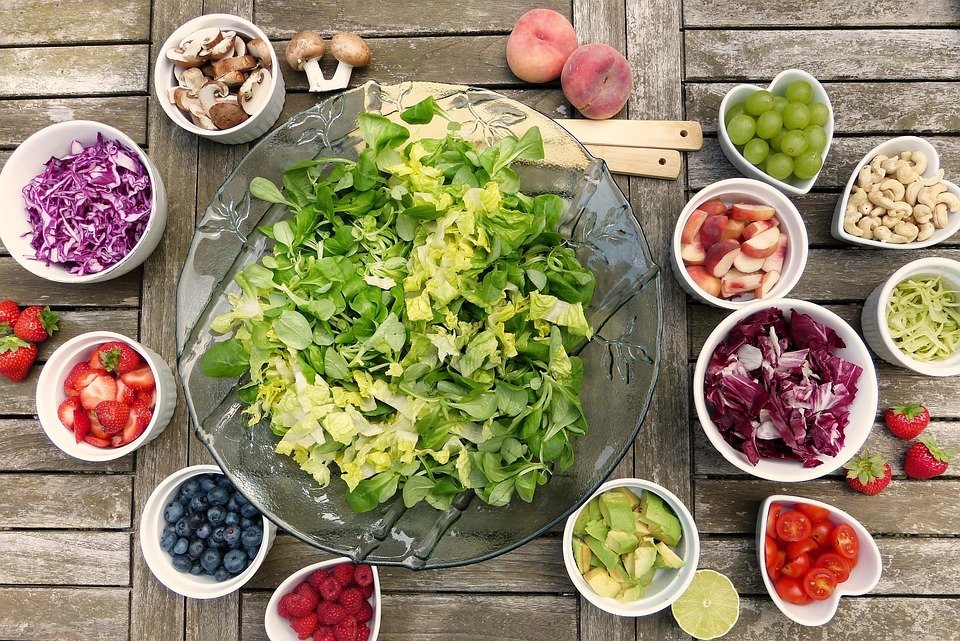
Focus on Whole Foods: Prioritize whole, unprocessed foods. Fruits, vegetables, whole grains, lean proteins, and healthy fats provide essential nutrients that support brain health and cognitive function. Aim for a colorful plate to ensure a variety of nutrients.
-
Stay Hydrated: Dehydration can lead to fatigue, irritability, and decreased cognitive performance. Aim to drink at least 8-10 glasses of water per day. Herbal teas and water-rich fruits and vegetables can also contribute to your hydration needs.
-
Incorporate Omega-3 Fatty Acids: Foods such as fatty fish (salmon, mackerel), walnuts, chia seeds, and flaxseeds are rich in omega-3 fatty acids, which have been shown to improve mood and cognitive function.
-
Limit Sugar and Processed Foods: High sugar intake can lead to energy crashes and mood swings. Instead, opt for natural sweeteners like honey or fruits. Avoid processed foods that are often laden with unhealthy fats and additives.
-
Practice Mindful Eating: Pay attention to what you eat and how it makes you feel. Mindful eating can enhance your relationship with food, helping you make better choices and appreciate the flavors and textures of your meals.
-
Consider Supplements: If you struggle to get enough nutrients from food alone, consider speaking with a healthcare provider about supplements. Vitamins B, D, and magnesium are particularly important for mental health.
-
Establish Regular Meal Times: Eating at consistent times helps regulate your body’s internal clock, leading to improved energy levels and mental clarity. Skipping meals can lead to irritability and decreased focus.
Do’s and Don’ts
To further guide you on your dietary journey toward a better mindset, here are some do’s and don’ts:
Do’s:
- Do Eat Breakfast: Kickstart your day with a balanced meal that includes protein, healthy fats, and complex carbohydrates to fuel your brain.
- Do Plan Your Meals: Meal prep can save time and ensure you have healthy options readily available, reducing the temptation to opt for quick, unhealthy choices.
- Do Snack Smart: Choose nutrient-dense snacks such as nuts, yogurt, fruits, or veggies with hummus to keep your energy levels stable throughout the day.
- Do Experiment with New Foods: Keep your diet interesting by trying new foods and recipes. This can help you discover new favorites and prevent dietary boredom.
Don’ts:
- Don’t Skip Meals: This can lead to overeating later in the day and disrupt your metabolism.
- Don’t Rely on Caffeine: While a moderate amount of caffeine can enhance focus, excessive consumption can lead to anxiety and disrupt sleep patterns.
- Don’t Use Food as a Reward: This can create an unhealthy relationship with food. Instead, find non-food-related rewards for achieving your goals.
- Don’t Ignore Your Body’s Signals: Listen to your body’s hunger and fullness cues. Eating mindfully can help you recognize when you’re satisfied.
FAQs
1. Can diet really affect my mood?
Yes, diet plays a significant role in mood regulation. Certain foods can enhance neurotransmitter function and improve overall mental health.
2. What are some quick and healthy meal ideas?
Consider oatmeal topped with fruits and nuts, a salad with quinoa and mixed vegetables, or a smoothie with spinach, banana, and protein powder.
3. Is it necessary to take supplements?
While a balanced diet should provide most nutrients, some individuals may benefit from supplements, particularly if they have specific deficiencies. Consult with a healthcare provider for personalized advice.
4. How can I develop healthier eating habits?
Start small by incorporating one healthy habit at a time, such as drinking more water or adding an extra serving of vegetables to your meals. Gradually build on these habits for lasting change.
5. What are the best foods for brain health?
Foods rich in omega-3 fatty acids, antioxidants, and vitamins—such as leafy greens, berries, fatty fish, nuts, and whole grains—are excellent choices for supporting brain health.
Conclusion
Unlocking your potential requires a holistic approach, and mastering your mindset through diet is a powerful step in that journey. By being mindful of what you eat and how it affects your mental state, you can cultivate a healthier relationship with food and enhance your overall well-being. Remember, small, consistent changes can lead to significant improvements in your mindset and, ultimately, your life. Embrace the journey, and watch as you unlock your true potential.
