Introduction
Embarking on a fitness journey is an empowering decision, one that can enhance your overall well-being and quality of life. For beginners, especially those who prefer the comfort of their own space, home workouts can be an excellent way to kickstart this journey. This article provides evidence-based fitness tips tailored for individuals of all ages and fitness levels. Whether you’re a young adult looking to build strength or an older adult seeking to maintain mobility, these strategies will help you ease into a sustainable routine.
Why Home Workouts?
Home workouts offer numerous benefits, including:
- Convenience: No travel time or gym membership fees.
- Comfort: A familiar environment where you can focus on your personal goals.
- Flexibility: The ability to work out any time that suits your schedule.
- Privacy: A judgment-free zone to practice and improve at your own pace.
Essential Fitness Tips for Beginners
1. Set Clear Goals
Establishing specific, measurable, achievable, relevant, and time-bound (SMART) goals will help keep you motivated. For example:
- Specific: “I want to do 10 push-ups without stopping.”
- Measurable: Track your progress weekly.
- Achievable: Start with modified push-ups if necessary.
- Relevant: Ensure your goal aligns with your overall health aspirations.
- Time-bound: Aim for a specific deadline, like “in six weeks.”
2. Create a Structured Routine
A consistent workout schedule is crucial for forming habits. Here’s a simple weekly structure:
- Monday: Strength training (30 minutes)
- Wednesday: Cardio (20-30 minutes)
- Friday: Flexibility and balance exercises (30 minutes)
- Saturday: Active recovery (walking or yoga)
3. Start with Bodyweight Exercises
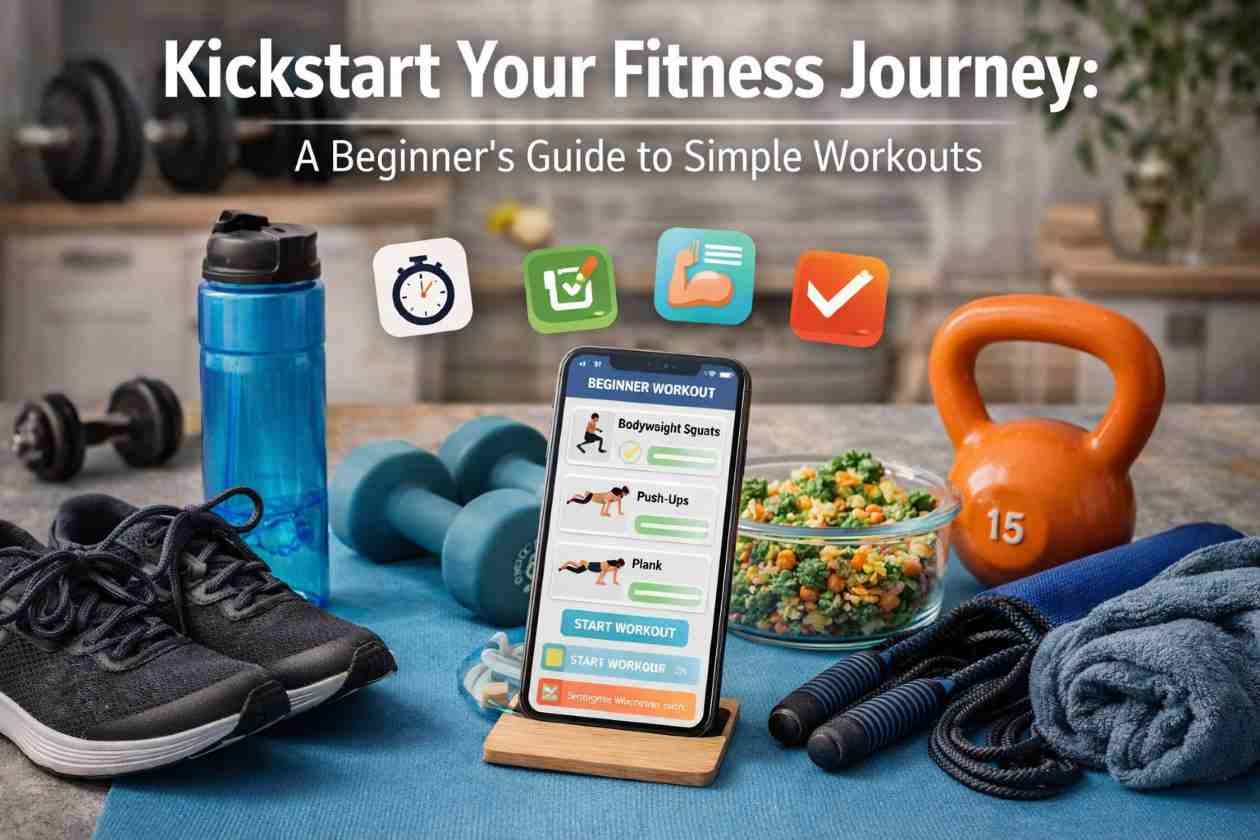
Bodyweight exercises are perfect for beginners, as they require no equipment and promote functional strength. Consider incorporating the following:
- Squats: Great for lower body strength.
- Push-ups: Effective for upper body and core.
- Lunges: Improve balance and coordination.
- Planks: Strengthen the core.
4. Incorporate Flexibility and Mobility Work
Flexibility and mobility are essential for preventing injuries and improving performance. Include stretches in your routine:
- Hamstring Stretch
- Quadriceps Stretch
- Shoulder Stretch
- Cat-Cow Stretch (for spinal flexibility)
5. Stay Hydrated and Nourished
Proper nutrition and hydration are vital for optimal performance and recovery. Here are some tips:
- Drink Water: Aim for at least 8 cups (2 liters) a day, more if exercising intensely.
- Balanced Meals: Incorporate lean proteins, whole grains, healthy fats, and plenty of fruits and vegetables.
- Pre-Workout Snack: A banana or yogurt can provide the necessary energy.
6. Listen to Your Body
Pay attention to how your body feels during and after workouts. If you experience pain (not to be confused with normal discomfort), consider adjusting your routine or consulting a healthcare professional.
7. Utilize Online Resources
There are countless free online resources available for beginners, including:
- Video Tutorials: Websites like YouTube offer guided workouts.
- Fitness Apps: Many apps provide structured programs tailored to your level.
- Virtual Classes: Join live or recorded classes that offer community support.
8. Stay Motivated
Finding motivation can be challenging. Here are some strategies to keep you inspired:
- Workout Buddy: Encourage a friend or family member to join you.
- Track Progress: Use a journal or app to log your workouts and improvements.
- Mix It Up: Change your routine regularly to keep things interesting.
Conclusion
Starting a fitness journey at home can be both exciting and rewarding. By setting clear goals, creating a structured routine, and listening to your body, you can develop a sustainable fitness regime that works for you. Remember, the key is consistency, patience, and self-compassion. Embrace the process, and celebrate your progress, no matter how small.
FAQ Section
1. How often should I work out as a beginner?
Aim for at least 150 minutes of moderate aerobic activity or 75 minutes of vigorous activity each week, alongside strength training exercises for major muscle groups at least twice a week.
2. What equipment do I need for home workouts?
You can start with minimal equipment such as resistance bands, dumbbells, or a yoga mat. However, many effective workouts can be done with just your body weight.
3. Can I lose weight by working out at home?
Yes, combining regular physical activity with a balanced diet can lead to weight loss. Focus on creating a calorie deficit through exercise and healthy eating.
4. How do I prevent injuries while exercising at home?
Always warm up before workouts, use proper form, and listen to your body. Start slowly and gradually increase intensity and duration.
5. What should I do if I miss a workout?
Don’t be discouraged if you miss a session. Simply return to your routine as soon as possible. Consistency is more important than perfection.
6. Is it necessary to stretch before and after workouts?
Yes, stretching can help improve flexibility, reduce soreness, and enhance performance. Incorporate dynamic stretches before workouts and static stretches afterward.
By following these fitness tips for beginners, you can embark on a successful journey toward improved health and well-being from the comfort of your own home.
